
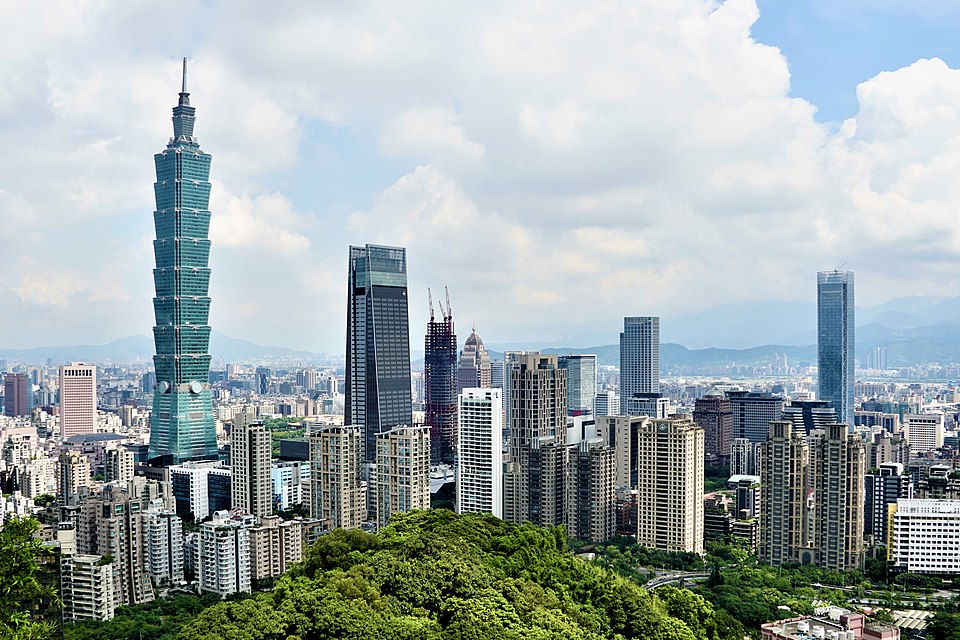
Taiwan has become one of the most remarkable economic success stories in Asia. Once known primarily for its manufacturing industry, the island has evolved into a global leader in technology, innovation, and semiconductor production. Today, Taiwan plays a critical role in the global economy, supplying essential components that power everything from smartphones and computers to electric vehicles and artificial intelligence.
Despite its impressive achievements, Taiwan faces a new generation of economic and social challenges. Slower global growth, geopolitical tensions, demographic changes, and increasing international competition are forcing policymakers and businesses to rethink long-term strategies.
Understanding Taiwan’s transformation offers valuable insights into how economies can adapt to rapid technological change while navigating an increasingly complex global environment.
From Manufacturing to High-Tech Leadership
Taiwan’s economic rise began in the second half of the twentieth century when the government invested heavily in export-oriented industries and industrial development.
Over time, the country shifted from producing labor-intensive goods to becoming a leader in advanced manufacturing. Investment in education, research, and technology helped create a highly skilled workforce capable of supporting innovation.
Today, Taiwan is recognized worldwide for its advanced electronics industry and its leadership in semiconductor manufacturing, making it an essential partner for many global technology companies.
Innovation Drives Economic Growth
Innovation has become the foundation of Taiwan’s economy.
The country continues investing in research and development, artificial intelligence, biotechnology, renewable energy, and digital infrastructure. Both government policies and private companies support technological advancement as a way to maintain competitiveness.
Taiwan’s startup ecosystem has also expanded in recent years, encouraging entrepreneurs to develop new technologies and digital services for international markets.
This focus on innovation has helped Taiwan remain resilient even during periods of global economic uncertainty.
The Importance of Global Trade
Taiwan’s economy depends heavily on international trade.
Exports represent a significant portion of economic activity, with technology products accounting for much of the country’s global sales. Strong trade relationships with Asia, North America, and Europe have contributed to Taiwan’s economic success.
However, this dependence on global markets also creates risks. Changes in international demand, supply chain disruptions, and geopolitical tensions can directly affect economic performance.
For this reason, Taiwan continues working to diversify its trading partners and strengthen its position in global supply chains.
Social Challenges Alongside Economic Success
Economic growth has brought higher living standards, but Taiwan also faces important social issues.
Like many developed economies, Taiwan has an aging population and one of the world’s lowest birth rates. These demographic changes could reduce the size of the workforce and increase pressure on healthcare and pension systems.
Housing affordability has also become a concern, particularly in major cities where property prices have increased significantly.
At the same time, businesses must compete for skilled workers in an increasingly competitive labor market.
Technology and Artificial Intelligence
Artificial intelligence is expected to become one of the next drivers of Taiwan’s economic growth.
The country’s strong semiconductor industry provides an important advantage as global demand for AI hardware continues increasing.
Companies are investing in AI applications across manufacturing, healthcare, finance, and digital services, creating new opportunities for productivity and business expansion.
Taiwan’s ability to combine advanced manufacturing with artificial intelligence may strengthen its position in the global technology sector for years to come.
Challenges in a Changing Global Economy
Despite its strengths, Taiwan must navigate several external challenges.
Global inflation, slower economic growth, shifting supply chains, and increasing international competition all influence the country’s outlook.
Geopolitical uncertainty in the Asia-Pacific region also remains an important factor that businesses and investors continue monitoring closely.
To remain competitive, Taiwan will need to continue investing in education, innovation, infrastructure, and advanced industries while supporting sustainable economic development.
Looking Ahead
Taiwan’s future depends on its ability to continue adapting to a rapidly changing global economy.
The country has already demonstrated remarkable resilience by transforming itself from a manufacturing-based economy into one of the world’s leading technology hubs.
Continued investment in innovation, digital transformation, clean energy, and talent development will likely determine the next phase of Taiwan’s economic success.
Final Thoughts
Taiwan’s economic transformation is a powerful example of how strategic planning, technological innovation, and international trade can reshape a nation’s future.
Although important challenges remain, Taiwan continues to demonstrate that adaptability and investment in knowledge are key drivers of long-term growth.
As technology becomes even more central to the global economy, Taiwan is well positioned to remain one of the world’s most influential innovation centers while continuing its economic and social transformation.